
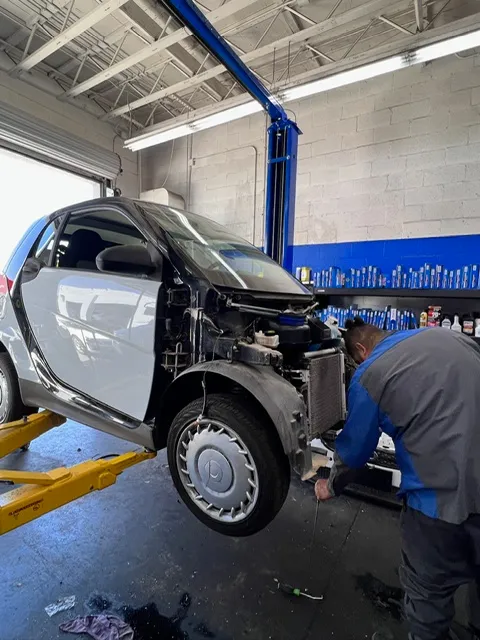
Your Smart Deserves Better Than Guesswork and Overpriced Repairs
Owning a Smart car in Tucson can be challenging. A warning light on your dashboard often leads to frustration as you search for shops that either don’t work on Smart vehicles or need weeks to order parts. Maybe you’ve been quoted astronomical prices for simple repairs or paid for fixes that didn’t solve the problem, leaving you stranded and unsure of who to trust.
Your Smart car is more than transportation—it reflects your values: efficiency, innovation, and smart choices. You didn’t settle for a cookie-cutter vehicle, so why settle for cookie-cutter service? At Monsoon Automotive, we specialize in Smart repair and understand these vehicles inside and out.
Why Smart Owners in Tucson Struggle to Find Reliable Service
Most general repair shops in Tucson aren’t equipped to handle Smart vehicles. These cars require specialized knowledge, diagnostic tools, and an understanding of their unique engineering. You’ve likely encountered frustrating scenarios when seeking service:
- Dealerships charge premium prices that make you question the value of owning a Smart car.
- Big-chain shops either turn you away or attempt repairs without proper expertise, leading to misdiagnoses and wasted money.
- Independent mechanics may have good intentions but lack the training and equipment needed for Smart vehicles.
Smart vehicles represent a unique segment in the automotive world. Their German engineering and innovative design principles mean traditional repair approaches don’t apply. When you take your Smart to a shop that primarily works on domestic or Japanese vehicles, you’re essentially asking them to learn on your car. This results in extended diagnostic times, unnecessary part replacements, and repairs that don’t address the underlying issues. The frustration compounds when you realize you’ve spent money without solving the problem, and your Smart still isn’t running properly.
What Makes Smart Vehicles Different and Why It Matters
Smart cars are engineered with precision and innovation, setting them apart from conventional vehicles. Proper maintenance and repair require understanding these differences.
Specialized Engineering Requires Specialized Knowledge
Smart vehicles feature unique powertrain configurations, compact designs, and integrated systems that communicate differently than traditional cars. The three-cylinder turbocharged engine, automated manual transmission, and sophisticated electronics require specific diagnostic approaches. Without this expertise, mechanics are essentially guessing—and you’re paying for their trial and error.
The engineering philosophy behind Smart vehicles prioritizes space efficiency and urban mobility. Every component is precisely positioned to maximize interior space while maintaining structural integrity. Accessing certain parts requires knowledge of the proper disassembly sequence. A mechanic unfamiliar with Smart vehicles might spend hours trying to reach a component that an experienced technician can access in minutes. The electronic architecture is equally specialized, with multiple control modules communicating through proprietary protocols that require specific diagnostic software to interpret correctly.
The rear-engine, rear-wheel-drive layout of most Smart models creates unique handling characteristics and maintenance requirements. The weight distribution differs significantly from front-engine vehicles, affecting everything from tire wear patterns to brake balance. Understanding these dynamics is crucial for proper maintenance and repair.
Common Smart Repair Issues We Address
Transmission and Clutch Services
- Automated manual transmission diagnostics and repairs
- Clutch actuator replacement and calibration
- Transmission fluid service
- Shift quality issues and error code resolution
The automated manual transmission in Smart vehicles combines the efficiency of a manual gearbox with the convenience of automatic operation. This sophisticated system uses electronic actuators to control clutch engagement and gear selection. When issues arise, they often manifest as rough shifting, hesitation during acceleration, or warning messages on the dashboard. Our technicians understand the nuances of this transmission system and can distinguish between mechanical wear, electronic control issues, and simple calibration needs.
Engine Performance and Diagnostics
- Turbocharger inspection and repair
- Engine timing and performance optimization
- Fuel system cleaning and maintenance
- Check engine light diagnosis and resolution
The three-cylinder turbocharged engine found in Smart vehicles delivers surprising power from a compact package. However, this engine’s efficiency depends on precise fuel delivery, proper turbocharger function, and accurate sensor readings. When performance issues develop, they can stem from various sources including carbon buildup, turbocharger wastegate problems, or sensor malfunctions. Our diagnostic process evaluates all these systems comprehensively.
Electrical System Repairs
- Battery and charging system testing
- Sensor replacement and calibration
- Computer module diagnostics and programming
- Warning light investigation and repair
Smart vehicles rely heavily on electronic systems for engine management and safety features. Our skilled technicians use the right tools to identify root causes rather than replacing parts unnecessarily. Electrical issues can range from warning lights to complete system failures. Our approach begins with comprehensive system scans to retrieve fault codes from all control modules. We then perform targeted tests to verify whether fault codes indicate actual component failures or communication issues between modules.
Suspension and Steering Services
- Shock and strut replacement
- Alignment services for compact wheelbases
- Steering component inspection and repair
- Ride quality improvement
Smart vehicles feature a sophisticated suspension system designed to provide comfortable ride quality despite the short wheelbase. The rear suspension must accommodate both the engine weight and provide proper handling dynamics. Alignment is particularly critical on Smart vehicles due to the short wheelbase and rear-engine layout. We use precision alignment equipment and follow manufacturer specifications to ensure your Smart tracks straight and tire wear is minimized.
Comprehensive Smart Model Coverage
Smart ForTwo Service and Repair
The Smart ForTwo represents the iconic two-seater that defined the brand. Whether you own a first-generation 450 series, the refined 451 model, or the more recent 453 chassis, our technicians have extensive experience with all ForTwo variants. Common ForTwo issues we address include automated transmission calibration problems, turbocharger wastegate failures, and SAM (Signal Acquisition Module) failures in earlier models. We service both gasoline and electric ForTwo models, including the Smart EQ ForTwo.
Smart ForFour Service and Repair
The Smart ForFour expands the Smart concept to accommodate four passengers while maintaining the brand’s efficiency focus. Built on a shared platform with other manufacturers, the ForFour still retains Smart-specific components and systems that require specialized knowledge. ForFour owners often experience issues related to the larger engine options, including timing chain wear and cooling system concerns.
Smart Roadster and Roadster Coupe Service
The Smart Roadster and Roadster Coupe represent the sportiest expression of the Smart brand. These rare models feature unique turbocharged engines, sequential manual transmissions, and rear-wheel-drive dynamics. Common issues include sequential transmission actuator problems, convertible top mechanism repairs, and cooling system maintenance.
Smart EQ Electric Vehicle Service
The Smart EQ models represent the brand’s transition to electric mobility. These battery-electric vehicles require a completely different service approach compared to gasoline-powered Smart cars. Electric Smart vehicles eliminate many traditional maintenance items like oil changes and transmission service, but they introduce new service requirements. We perform high-voltage battery system diagnostics, electric motor and inverter testing, and charging system evaluation.
Common Issues Across All Smart Models
Electronic Control Module Issues Smart vehicles rely heavily on electronic control modules. When modules fail or lose programming, symptoms can range from warning lights to complete system failures. We have the diagnostic tools and software needed to test module function, retrieve fault codes, and perform reprogramming when necessary.
Sensor Failures and Communication Errors The extensive sensor network in Smart vehicles provides precise control but also creates multiple potential failure points. Oxygen sensors, mass airflow sensors, and wheel speed sensors commonly fail with age and exposure to heat. We systematically test sensor operation and verify proper communication with control modules.
Cooling System Maintenance Smart vehicles, particularly turbocharged models, generate significant heat in compact engine compartments. Cooling system maintenance is critical to prevent overheating and engine damage. We service cooling systems comprehensively, including coolant replacement, thermostat testing, and radiator inspection.
Brake System Service The lightweight nature of Smart vehicles means brake systems generally last longer than in heavier cars, but brake fluid absorbs moisture over time, which can cause internal corrosion. We recommend regular brake fluid service and comprehensive brake system inspection.
Tire Wear and Alignment Smart vehicles use specific tire sizes, and proper inflation and alignment are critical for even wear and optimal handling. The short wheelbase makes alignment particularly important, as even small misalignment can cause rapid tire wear.
The Monsoon Automotive Difference for Smart Owners
Transparent Communication Every Step of the Way
We know you’ve been burned by mechanics who confuse you with technical jargon. Our approach is different. Before performing any work, we explain the issue in plain language, show you the problem, and provide honest recommendations. You’ll receive text updates with photos throughout the repair process, so you’re never left wondering what’s happening.
Expertise That Saves You Time and Money
Our technicians have invested in specialized training and diagnostic equipment for Smart vehicles. This allows us to diagnose issues accurately the first time, avoiding the costly trial-and-error approach used by other shops. We also maintain relationships with quality parts suppliers, ensuring we can get the components your Smart needs quickly and affordably.
A Relationship Built on Trust
We’re not interested in one-time transactions. We want to be your trusted Smart repair mechanic for the long term. We keep detailed service records, remind you when maintenance is due, and treat your Smart with the same care we’d give our own vehicles.
Real Peace of Mind for Smart Owners in Tucson
Imagine driving your Smart without constant anxiety about what might go wrong. Picture confidently planning trips, knowing your vehicle is reliable and well-maintained. Think about the relief of having a trusted Smart repair mechanic you can call—someone who answers your questions honestly and treats you with respect.
Schedule Your Smart Repair Service Today
Call Monsoon Automotive today at (520) 305-4908 to schedule your Smart repair service. Whether you need routine maintenance, diagnostics, or major repairs, our team is ready to provide the specialized care your Smart deserves. Visit us at 6722 East Tanque Verde Road Tucson, AZ 85715, and discover why Smart owners throughout Tucson trust us with their vehicles.
Don’t wait until a small issue becomes a major problem. Let us perform a comprehensive inspection of your Smart and give you an honest assessment of its condition. You’ll finally have the peace of mind that comes from knowing your vehicle is in expert hands.