
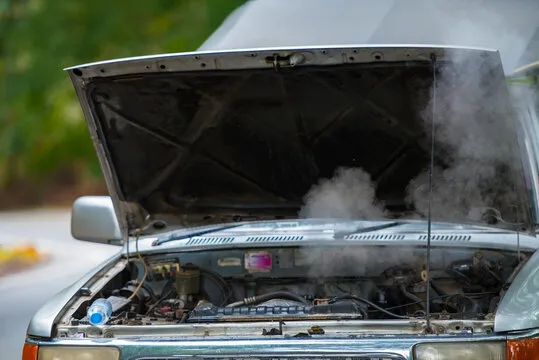
When Steam Rises From Your Hood, Your Peace of Mind Evaporates
You’re rushing to an important meeting when the temperature gauge creeps into the red zone. Your heart sinks. Not again. Car overheating in Tucson’s brutal desert heat isn’t just inconvenient—it’s a crisis. It threatens your ability to get to work, your family’s safety, and your budget.
At Monsoon Automotive, we understand that when your car overheats, you’re not just looking for technical explanations. You need someone to tell you the truth, show you what’s wrong, explain what needs fixing now versus later, and provide quality work that solves the problem the first time.
Why Tucson’s Climate Makes Overheating Common
Tucson’s summer temperatures regularly exceed 110 degrees, putting extraordinary stress on your vehicle’s cooling system. Arizona’s heat accelerates wear on components, leading to warped cylinder heads, blown gaskets, and cracked engine blocks if overheating is ignored. Rubber hoses and plastic parts degrade faster, and thermal cycling weakens seals and connections. Dust and debris also block airflow through radiators, reducing cooling efficiency. During monsoon season, dust storms and sudden temperature changes further stress cooling systems.
At Monsoon Automotive, located at 6722 East Tanque Verde Road Tucson, AZ 85715, we understand these Arizona-specific challenges. We tailor our service recommendations to your vehicle’s needs in Tucson’s extreme conditions, ensuring your car stays reliable.
Common Causes of Engine Overheating
Coolant System Leaks
Your cooling system relies on proper fluid levels and pressure to transfer heat away from the engine. Even small leaks can cause big problems, especially in Tucson’s heat where coolant evaporates quickly.
**Common leak locations include:**
- Radiator hoses and connections
- Water pump seals and gaskets
- Thermostat housing
- Heater core connections
- Radiator tanks and seams
- Overflow reservoir cracks
Leaks can occur in hoses, the water pump, or the thermostat housing. Over time, heat exposure causes rubber hoses to crack and clamps to loosen. Internal leaks, like a failing head gasket, can cause overheating without visible signs. External leaks may leave puddles of brightly colored fluid or a sweet smell of coolant. Some leaks only occur when the system is hot and pressurized, making professional pressure testing essential.
At Monsoon Automotive, we perform pressure tests and visual inspections to pinpoint the problem. Our technicians use specialized equipment to safely identify leaks, ensuring accurate diagnosis and repair.
Thermostat Failures
The thermostat regulates coolant flow between the engine and radiator. If it fails in the closed position, coolant can’t circulate, causing rapid overheating. Conversely, if it fails open, the engine may never reach proper operating temperature, leading to poor fuel economy and increased emissions.
**Thermostat failure symptoms:**
- Rapid temperature increase
- Engine never reaching operating temperature
- Temperature fluctuations while driving
- Poor heater performance
- Check engine light illumination
In Tucson’s climate, thermostats can fail prematurely due to constant exposure to extreme temperatures. We recommend replacing thermostats proactively during other cooling system services to prevent unexpected failures.
Radiator Problems
Radiators can develop leaks, become clogged with sediment, or accumulate debris that blocks airflow. Old coolant becomes acidic, corroding the radiator from the inside. Dust, leaves, and insects can also accumulate on radiator fins, reducing heat dissipation.
**Common radiator issues include:**
- External leaks from tanks or seams
- Internal clogging from sediment buildup
- Debris accumulation blocking airflow
- Corrosion from old or contaminated coolant
We perform pressure tests, flow tests, and visual inspections to assess radiator condition. If replacement is necessary, we explain why and discuss your options for quality replacement parts.
Water Pump Failures
The water pump circulates coolant through the engine and radiator. Failures can be gradual, with minor leaks or noise, or sudden, with complete impeller failure.
**Water pump failure indicators:**
- Coolant leaks from the weep hole
- Grinding or whining noises
- Visible wobble in the pump pulley
- Overheating at all speeds
Water pump replacement can be labor-intensive, especially on European models where the pump may be driven by the timing belt. We provide clear explanations of the work required and why it’s necessary.
Cooling Fan Malfunctions
Cooling fans pull air through the radiator when the vehicle is stationary or moving slowly. Failures can result from bad motors, relays, fuses, or wiring issues.
**Cooling fan system components:**
- Electric fan motor(s)
- Fan relays and fuses
- Temperature sensors
- Fan control module
Diagnosis requires systematic testing to identify the root cause. At Monsoon Automotive, we test fan operation and related components to ensure accurate repairs.
Head Gasket Failures
A blown head gasket is one of the most serious causes of overheating. It allows coolant, oil, and combustion gases to mix, leading to overheating, white smoke, or milky oil.
**Head gasket failure symptoms:**
- White smoke from the exhaust
- Milky or frothy oil on the dipstick
- Bubbles in the radiator or overflow tank
- External coolant leaks
- Rapid coolant loss without visible leaks
Head gasket replacement is labor-intensive and expensive, but we perform thorough diagnostic tests to confirm the issue before proceeding.
Why Tucson Drivers Trust Monsoon Automotive
Honest Diagnosis and Transparent Communication
We start with a comprehensive cooling system diagnosis to identify the actual problem—not just the most expensive explanation. We show you the failed component whenever possible, explain our findings in plain language, and provide a detailed written estimate before any work begins. No surprise fees or upsells—just honest communication.
Specialized Expertise
Our technicians have specialized training in European, domestic, and Asian vehicles. Each manufacturer designs cooling systems differently, and using the wrong coolant or procedures can cause damage. Our expertise ensures accurate diagnosis and repairs tailored to your vehicle.
Building Relationships in Tucson
We treat you like a valued client, not a transaction number. We keep detailed service records and perform courtesy inspections during every visit to help you plan for upcoming maintenance and avoid unexpected repairs.
Preventing Future Overheating Problems
Maintenance That Protects Your Investment
Regular cooling system maintenance is far less expensive than major repairs. In Tucson’s extreme climate, preventive maintenance is even more critical.
**Essential cooling system maintenance includes:**
- **Coolant Flush and Replacement:** Replace coolant every 30,000–50,000 miles to prevent corrosion and maintain heat transfer properties.
- **Cooling System Inspection:** Check hoses, clamps, and the radiator for leaks or damage during routine service.
- **Thermostat Replacement:** Replace thermostats periodically to avoid sudden failures.
- **Water Pump Attention:** Replace water pumps proactively, especially during timing belt service.
Warning Signs You Shouldn’t Ignore
**Critical overheating symptoms:**
- **Temperature Gauge in the Red Zone:** Pull over safely and turn off the engine immediately.
- **Steam or Smoke From Under the Hood:** Boiling coolant is an emergency. Let the engine cool completely before inspecting.
- **Sweet Smell or Coolant Leaks:** Bright green, orange, or pink fluid under your car indicates a leak.
- **Reduced Heater Performance:** Low coolant levels or air pockets can affect both heating and cooling.
- **Engine Performance Issues:** Overheating can cause loss of power, rough idle, or knocking sounds.
Take the First Step Toward Reliable Cooling System Performance
Ignoring an overheating car can turn a minor repair into an engine replacement. At Monsoon Automotive, we provide honest communication, transparent pricing, and quality repairs. Call us today at (520) 305-4908 or visit us at 6722 East Tanque Verde Road Tucson, AZ 85715. Let us earn your trust and restore your peace of mind. Whether you’re experiencing overheating or want to prevent future problems, our team is ready to help.