
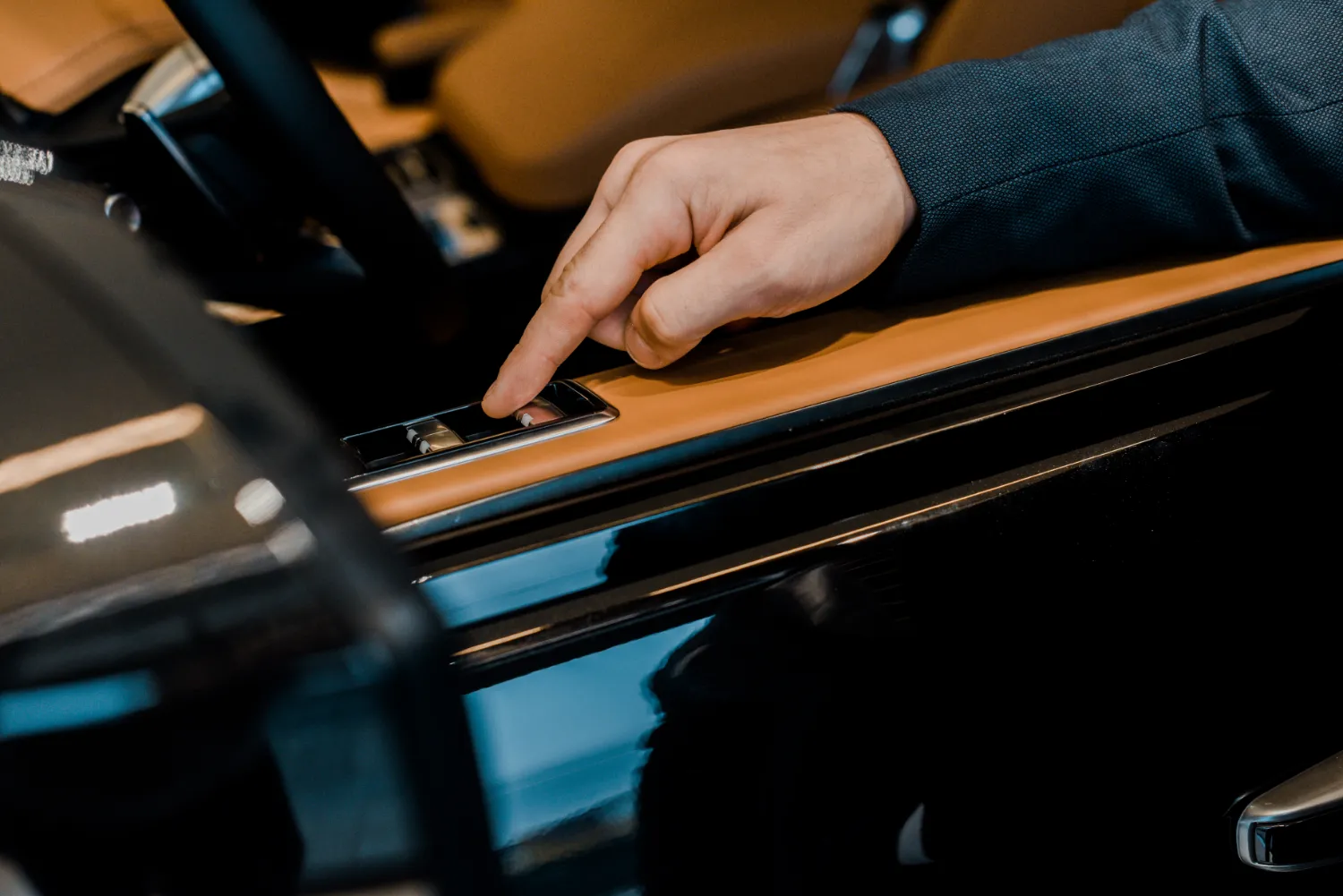
When Your Power Windows and Door Locks Fail, Everything Stops
You’re running late, press the button to roll down your window, and nothing happens. Or maybe your door locks are clicking but not locking, leaving your vehicle vulnerable. These aren’t just minor inconveniences—they’re safety issues that disrupt your day and leave you stressed about repair costs and finding someone trustworthy to fix the problem.
You’ve likely been here before: a dealership quoted you thousands, a chain shop kept your car for days without solving the issue, or a discount mechanic charged you for unnecessary parts. The cycle of frustration and uncertainty repeats, leaving you anxious every time your window grinds or your locks fail.
Why Power Window and Door Lock Problems Are So Stressful
Diagnosing electrical issues requires expertise, specialized tools, and honest communication—qualities many shops lack. In Tucson’s heat, a stuck window can turn your car into a greenhouse, while a window stuck down invites theft and weather damage. Broken locks compromise your vehicle’s security and can even trap you inside during emergencies.
Tucson’s extreme temperatures create unique challenges. A window that won’t open transforms your car into an unbearable environment, while one stuck down exposes your interior to dust storms, monsoon rains, and theft. Malfunctioning locks can prevent quick exits during emergencies or delay first responders. These are real safety issues that affect Tucson drivers daily.
Why Repairs Feel Like a Gamble
Modern vehicles use complex systems involving switches, motors, regulators, actuators, wiring, and computer modules. Proper diagnosis requires methodical testing, but many shops rely on guesswork, replacing parts without solving the problem. Dealerships often recommend expensive assembly replacements, while independent shops may lack the tools or expertise for accurate diagnosis.
The parts-replacement approach might work occasionally through luck, but it often leads to multiple repair attempts, escalating costs, and continued frustration. You might have a window regulator replaced only to discover the real problem was a failing switch or corroded wiring. Each failed repair attempt costs you time and money while eroding your trust in the repair process.
What Proper Diagnosis Looks Like
Accurate diagnosis is the foundation of effective repair. Here’s how it works:
Power Window Systems
Power windows involve electrical and mechanical components. Failures can occur in:
- Switches from wear and tear
- Motors that burn out
- Regulators with broken cables or plastic parts
- Wiring that corrodes
- Tracks that become obstructed
- Control modules with software or hardware issues
Window switches fail from repeated use, while motors wear out over time, especially in Tucson’s heat. Regulators, which move the window glass, often fail due to broken cables or brittle plastic components. Wiring issues develop from constant flexing as doors open and close, causing insulation to crack and wires to break. Proper diagnosis involves testing each component systematically.
Door Lock Systems
Power door locks rely on actuators controlled by the body control module. Common failures include:
- Actuators that stop moving the lock mechanism
- Worn mechanisms that stick
- Electrical issues in switches or wiring
- Key fob problems with batteries or programming
- Control module failures affecting multiple doors
Actuators wear out from constant use, while mechanical lock mechanisms can stick or break. Electrical issues often involve the body control module, which coordinates lock functions. Key fob problems, such as dead batteries or lost programming, are also common. Symptoms like locks that cycle repeatedly or fail intermittently require careful testing to pinpoint the issue.
The Diagnostic Process
Professional diagnosis eliminates guesswork through:
- Symptom documentation — Understanding when and how the problem occurs
- Visual inspection — Checking for damage or wear
- Electrical testing — Using tools to test voltage and signals
- Computer diagnostics — Reading fault codes and monitoring live data
- Functional testing — Operating the system to identify intermittent issues
- Component isolation — Testing parts individually to confirm failure
This thorough process ensures you’re paying to fix the actual problem, not funding trial-and-error repairs.
Why European Vehicles Require Specialized Expertise
If you drive a BMW, Mercedes-Benz, Audi, or Volkswagen, repairs are even more complex. These vehicles use proprietary systems that integrate windows and locks with security and convenience features. Diagnosing and repairing them requires specialized tools, training, and access to manufacturer-specific information.
European vehicles often integrate multiple functions into single control modules, requiring specific programming after component replacement. Diagnosing problems requires understanding how these modules interact and having access to specialized diagnostic software. Many independent shops lack these resources, while dealerships charge premium prices. You need a shop that combines European expertise with fair pricing.
What You Need From Your Repair Shop
You don’t need the cheapest or fastest repair—you need honest expertise, transparent communication, and quality work backed by meaningful protection.
The Five Elements of Trustworthy Service
- Accurate diagnosis — No guessing or parts-swapping
- Clear communication — Explanations in plain English
- Transparent pricing — No hidden fees
- Quality parts — Components that last
- Comprehensive protection — Real assurance for your investment
Accurate diagnosis saves you money and frustration by ensuring the repair addresses the actual failure. Clear communication bridges the gap between technical knowledge and customer understanding. Transparent pricing means knowing what you’ll pay before work begins. Quality parts ensure repairs last, and comprehensive protection gives you peace of mind.
How Monsoon Automotive Does Things Differently
At Monsoon Automotive, we’ve built our reputation on addressing the frustrations that make automotive repair stressful. Here’s how we approach power window and door lock repairs:
Accurate Diagnosis
Our certified technicians use professional-grade tools to identify the root cause of your problem. We test electrical circuits, monitor control modules, and verify mechanical operation to ensure we understand exactly what’s wrong. We invest in the diagnostic equipment necessary to properly service modern vehicles, including European makes.
Clear Communication
We explain your vehicle’s issue in straightforward language, show you failed components, and provide a detailed written estimate before any work begins. If additional issues arise, we contact you immediately to discuss options.
Specialized Expertise
We service all makes and models, including European vehicles like BMW, Mercedes-Benz, and Audi. Our technicians have the training and equipment to handle these complex systems properly.
Common Problems We Solve
- Slow windows — Often caused by motor wear or binding regulators
- Windows that won’t move — Due to switch, motor, or wiring issues
- Falling windows — Indicating broken regulators
- Grinding noises — From failing regulators or obstructed tracks
- Intermittent operation — Caused by loose connections or failing motors
- Locks that won’t engage — Due to actuator or mechanism failures
- Single or multiple door failures — Often linked to actuators or control modules
- Locks that cycle repeatedly — Indicating short circuits or module glitches
Schedule Your Diagnosis Today
Stop living with the stress of malfunctioning windows and locks. Monsoon Automotive provides the honest, expert service you deserve. Call us at (520) 305-4908 or visit us at 6722 East Tanque Verde Road, Tucson, AZ 85715. Let us restore your vehicle’s reliability and your peace of mind.
Monsoon Automotive—Where Quality Reigns